Créer jeu
Télécharger
Obtenir Plan Académique
Partager le jeu
Intégrez-le à votre plateforme

Vous pouvez intégrer le jeu dans un LMS compatible avec LTI 1.1 ou LTI 1.3 comme Canvas, Moodle ou Blackboard. Les scores seront ainsi automatiquement enregistrés dans le carnet de notes de la plateforme.
Télécharger
Vous avez dépassé le nombre maximum de jeux que vous pouvez intégrer à Google Classroom avec votre Plan actuel.

Pour intégrer autant de jeux que vous le souhaitez dans Google Classroom, vous avez besoin d’un Plan Académique ou un Plan Commerciel.

Vous avez dépassé le nombre maximum de jeux que vous pouvez intégrer à Microsoft Teams avec votre Plan actuel.

Pour intégrer autant de jeux que vous le souhaitez dans Microsoft Teams, vous avez besoin d’un Plan Académique ou un Plan Commerciel.

Le téléchargement du jeu est une fonctionnalité exclusive pour les utilisateurs avec un Plan Académique ou un Plan Commercial.

Obtenez votre Plan Académique ou Plan Commercial dès maintenant et commencez à intégrer vos jeux dans votre LMS, votre site Web ou votre blog.

Si vous le souhaitez, vous pouvez télécharger une jeu de test ici et tester son intégration:

WWII Concentration Sites that Imprisoned People of Japanese Descent

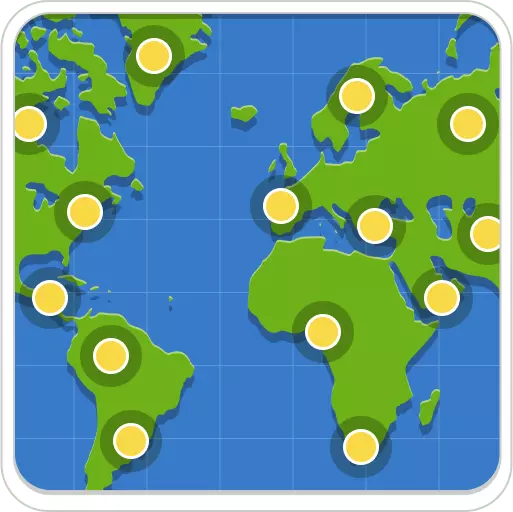
Carte Interactive

Parties jouées 43

À propos de cette activité

"War Relocation Centers": These sites were guarded by military police, surrounded by barbed wire, and equipped with watchtowers, a stark contrast to their "relocation center" name.

Créé par

United States

Téléchargez la version pour jouer sur papier

Créez votre propre jeu gratuite à partir de notre créateur de jeu
Affrontez vos amis pour voir qui obtient le meilleur score dans ce jeu

Top Jeux

%
Anonyme
Anonyme
%
%
%
Vous avez dépassé le nombre maximum de jeux que vous pouvez imprimer avec votre Plan actuel.

Pour imprimer autant de jeux que vous le souhaitez, vous avez besoin d’un Plan Académique ou un Plan Commerciel.

Imprimez votre jeu
WWII Concentration Sites that Imprisoned People of Japanese Descent
 

WWII Concentration Sites that Imprisoned People of Japanese DescentVersion en ligne

"War Relocation Centers": These sites were guarded by military police, surrounded by barbed wire, and equipped with watchtowers, a stark contrast to their "relocation center" name.

par Mia Wenjen
Heart Mountain
1 Heart Mountain
Manzanar and Tule Lake
2 Manzanar and Tule Lake
Topaz
3 Topaz
Minidoka
4 Minidoka
Granada (Amache)
5 Granada (Amache)
Gila and Poston
6 Gila and Poston
Rohwer and Jerome
7 Rohwer and Jerome
Rohwer and Jerome

Explanation

More than 10,000 people were imprisoned here from Los Angeles, Santa Clara, and San Francisco counties in California and Yakima and Washington counties in Washington. Incarcerees grew crops on 1,100 acres of farmland. Heart Mountain Relocation Center camp had one of the most successful agriculture programs of all the camps, introducing new crops that had never before been grown in the region.

In 1942, the United States government ordered more than 110,000 men, women, and children of Japanese descent to leave their homes and imprison them in remote, concentration camps. Tule Lake: More than 3,000 people came from Sacramento, Pinedale, Pomona, Salinas, and Marysville assembly centers. Manzanar: Most people were from the Los Angeles area, Terminal Island, and the San Fernando Valley. Others came from the San Joaquin Valley and Bainbridge Island, Washington; the latter transferred to Minidoka in 1943. On December 6, 1942, at the Manzanar concentration camp, military police fired into a crowd of protestors, killing two men and injuring nine others.

More than 11,000 people of Japanese descent were sent here, primarily from the San Francisco Bay Area, predominantly from Tanforan Assembly Center. Topaz internment camp in Central Utah is known for the fatal shooting of an internee, James Hatsuki Wakasa, by a sentry, which led to protests, and the vibrant art community that flourished there, including an art school established by Chiura Obata.

Minidoka held nearly 13,000 people of Japanese descent, mostly American citizens from Washington, Oregon, and Alaska. Prisoners, including children, lived in crowded, tar-papered barracks and endured extreme temperatures and dust storms.

The barracks were hastily constructed with inadequate insulation, allowing dust, cold, and heat to seep in. Most people came from Los Angeles, Sonoma, Yolo, Stanislaus, Sacramento, and Merced counties. Amache had the second-highest rate of military volunteers among the camps, with 953 men and women entering military service. Thirty-one of those service members died while serving.

People primarily came from Fresno, Santa Barbara, San Joaquin, Solano, Contra Costa, Ventura and Los Angeles Counties via the Turlock, Tulare, and Santa Anita assembly centers. The Gila River War Relocation Camp in Arizona was notable for being a relatively less oppressive, and more attractively built. It encouraged self-governance and recreational activities like baseball. Gila's relatively nicer conditions led to a surprise visit by Eleanor Roosevelt in April 1943. Poston was notable as the largest Japanese American incarceration camp, located on the Colorado River Indian Reservation. It was notable for its draft resistance movement.

Both were located in Jim Crow South. Jerome's overcrowding contributed to a severe flu epidemic. It had the lowest rate of military volunteers among the camps. Jerome was the last camp to open and the first to close. After its closure, it was repurposed to hold German POWs. Rohwar incarcerees endured extreme heat, humidity, heavy rains, and biting insects like chiggers and mosquitoes. Mabel Rose Jamison (Jamie) Vogel was hired to teach art and became a beloved teacher and mentor. Among those she helped was renowned Japanese American artist Henry Sugimoto.