
Ritaj and respiratory systemVersion en ligne
par elham nasef
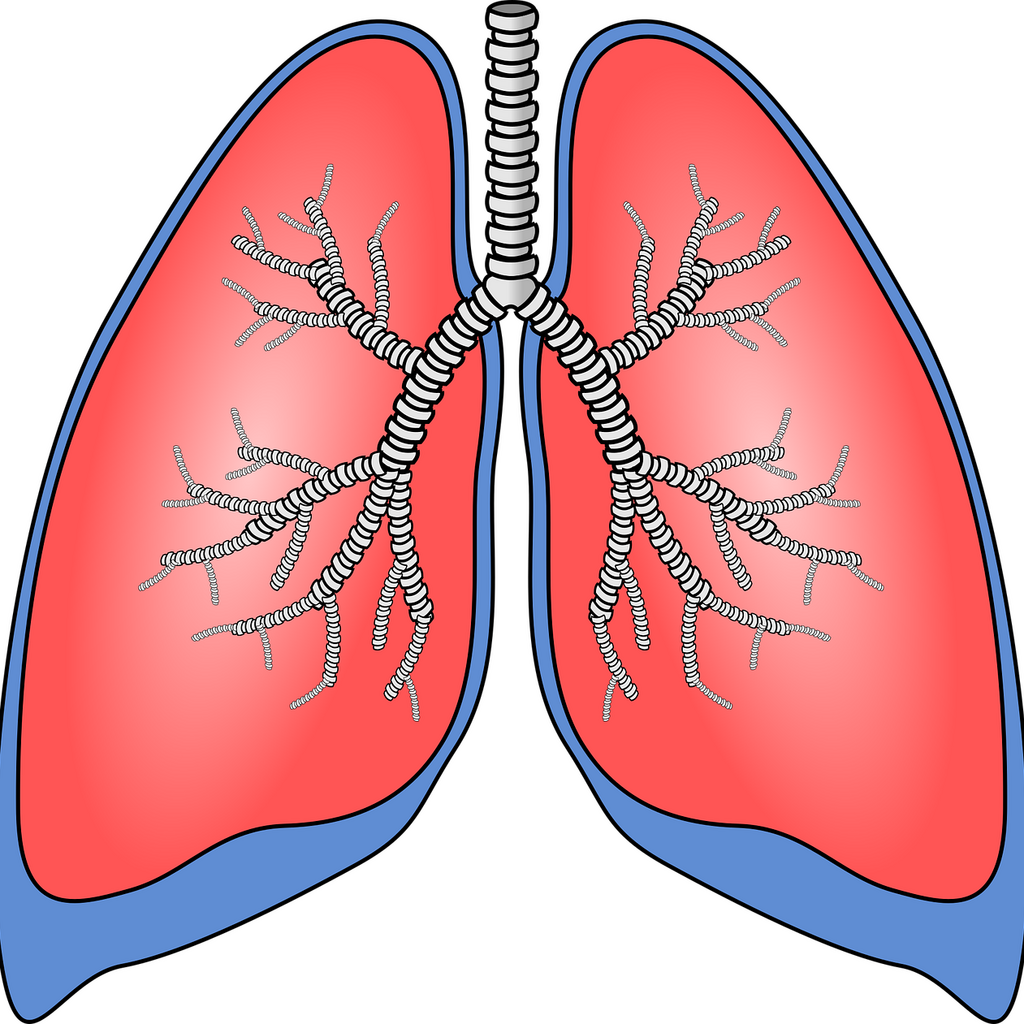
1. What is the functional unit responsible for gas exchange in the lungs?
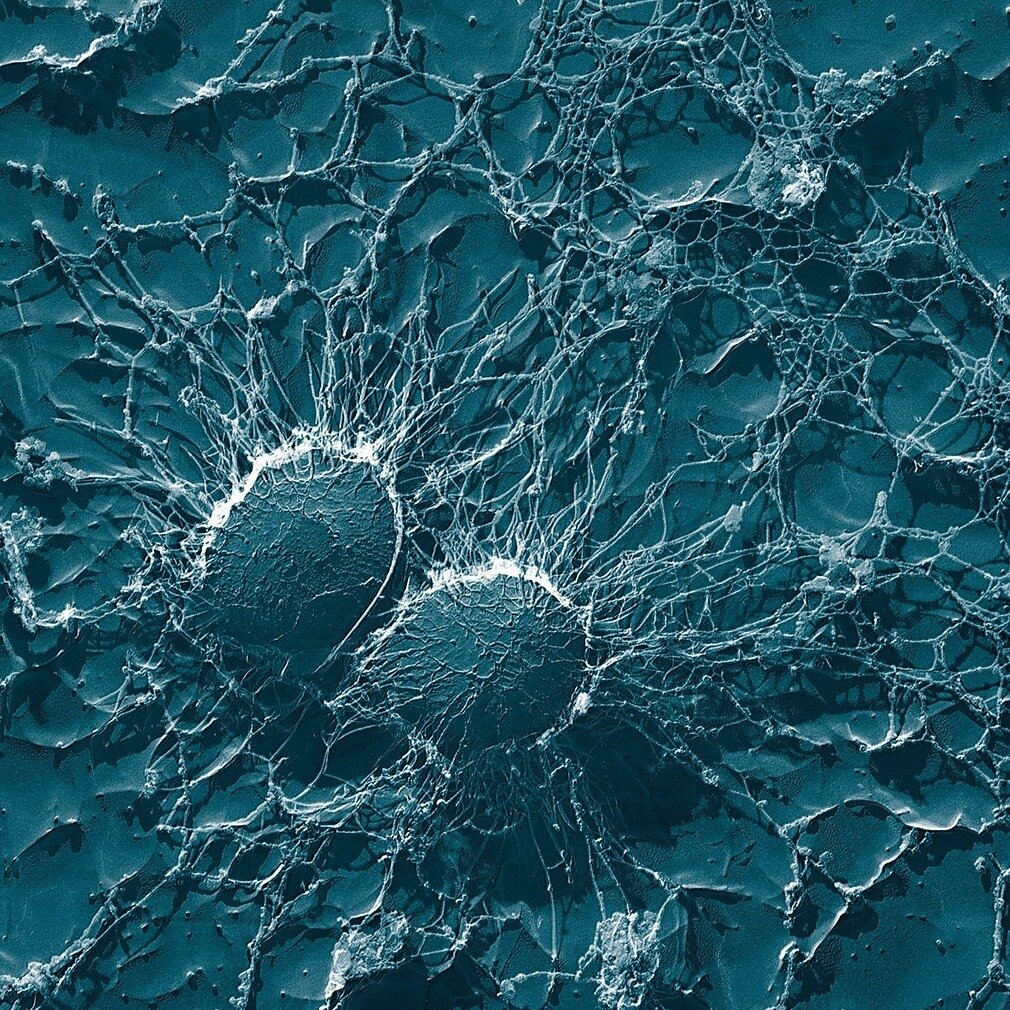
Which cells are responsible for producing pulmonary surfactant?
Choose one or more answers
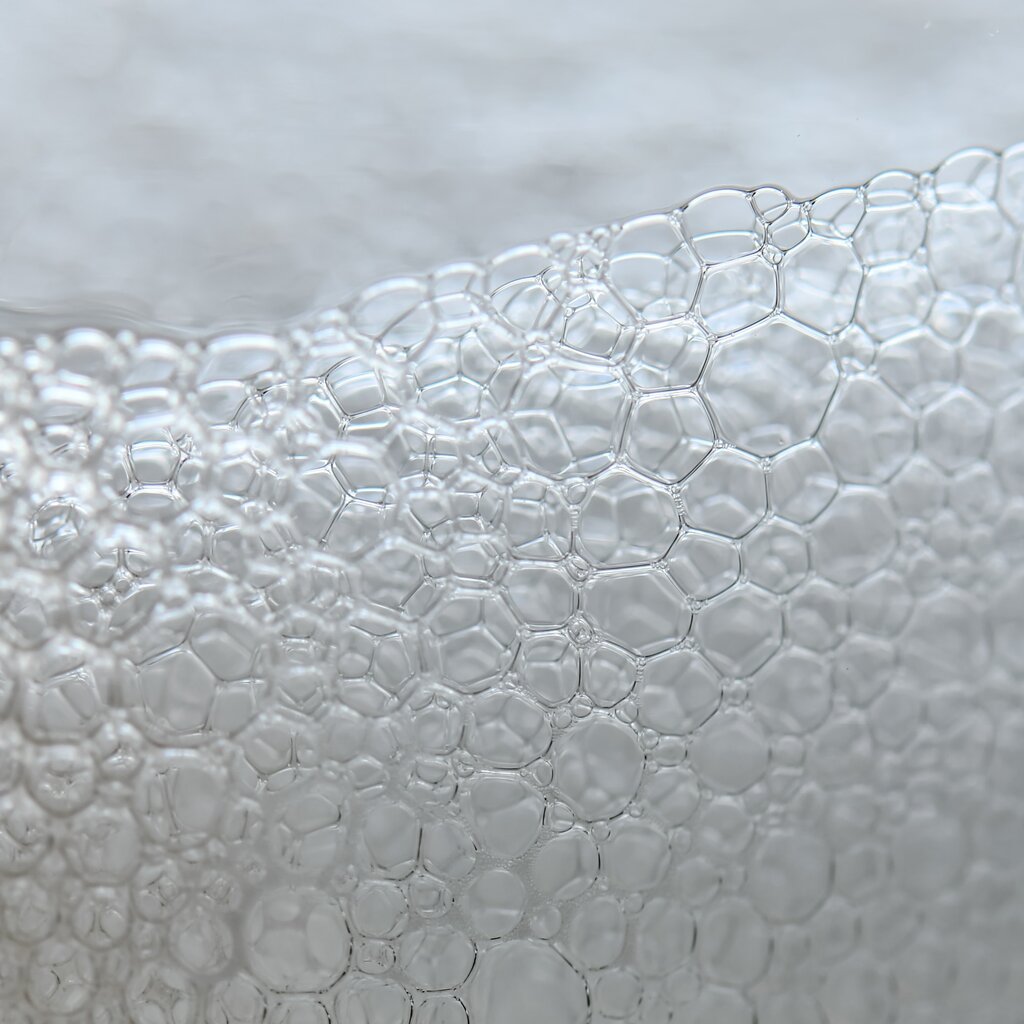
What is the main function of pulmonary surfactant?
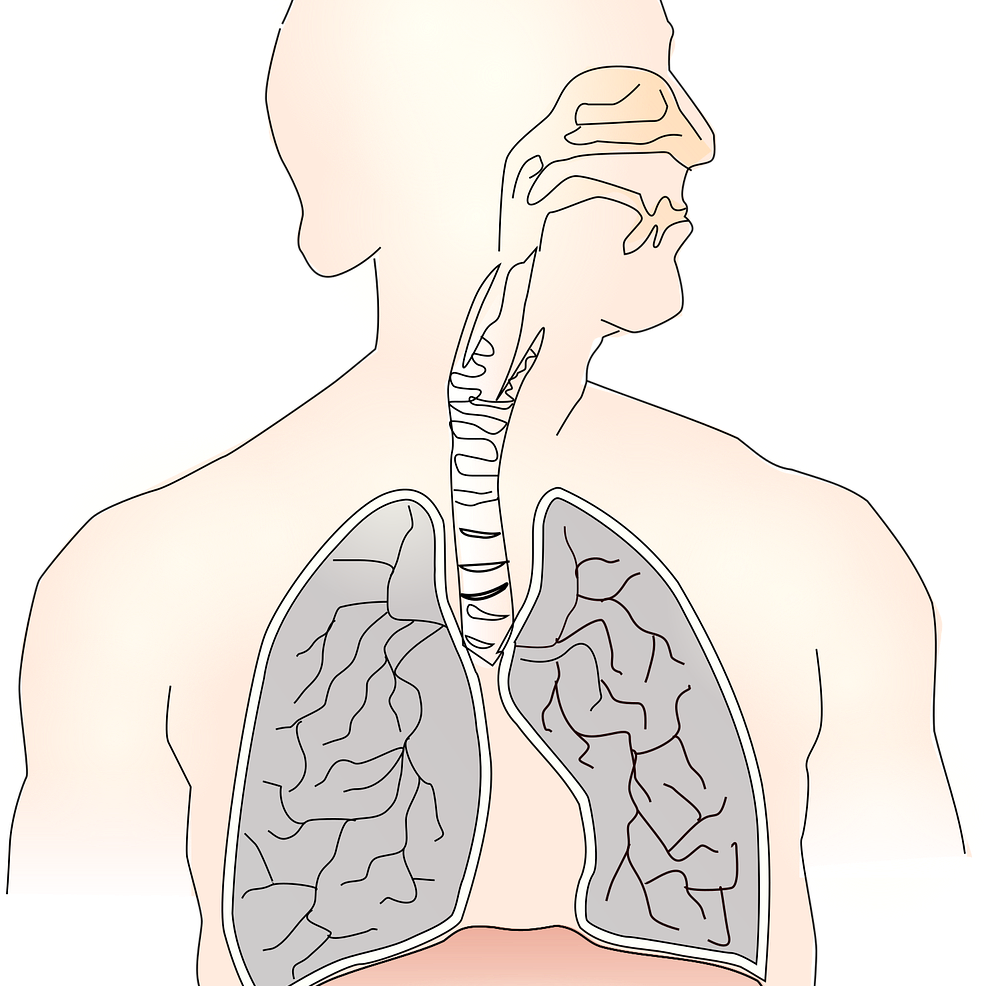
What is tidal volume (TV)?
What is anatomical dead space?
Where are the central chemoreceptors located?
Where does gas exchange occur in the lungs?
Which of the following is an example of an obstructive lung disease?

Which receptors respond primarily to a significant decrease in arterial PaO2?
What is the approximate normal FEV1/FVC ratio in healthy adults?
Explanation
Explanation: Alveoli are tiny air sacs surrounded by capillaries. They are the main sites where oxygen enters the blood and carbon dioxide leaves it.
Explanation: Type II pneumocytes produce surfactant, which reduces surface tension inside the alveoli and prevents their collapse.
Explanation: Surfactant reduces the surface tension of the fluid lining the alveoli, making lung expansion easier and preventing alveolar collapse.
Explanation: Tidal volume is the amount of air inhaled or exhaled during one normal, quiet breath. It is approximately 500 mL in an average healthy adult.
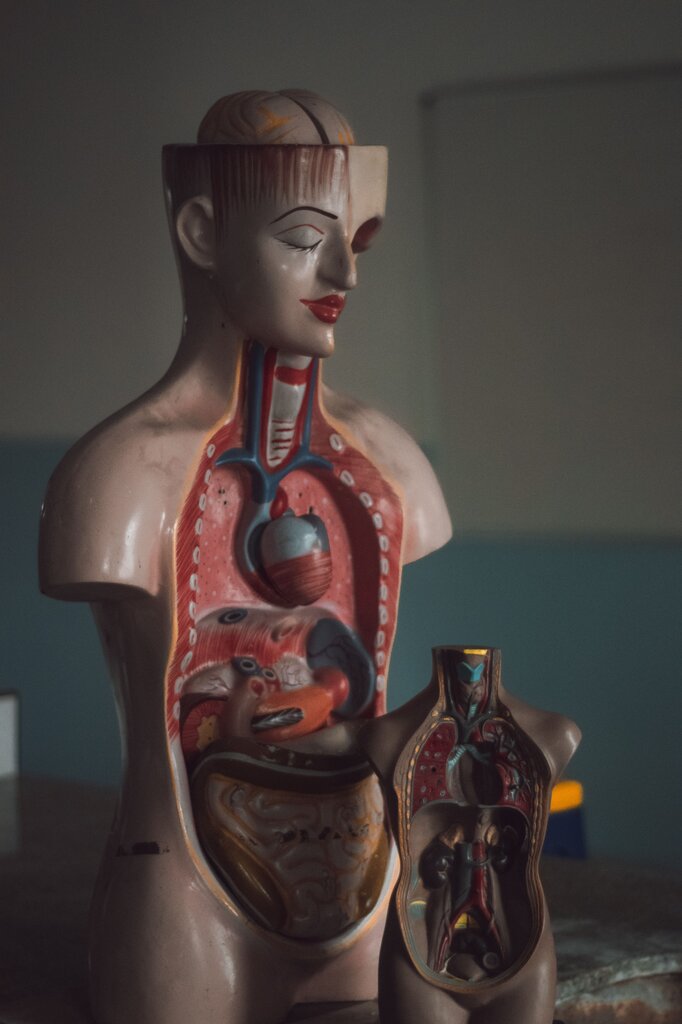
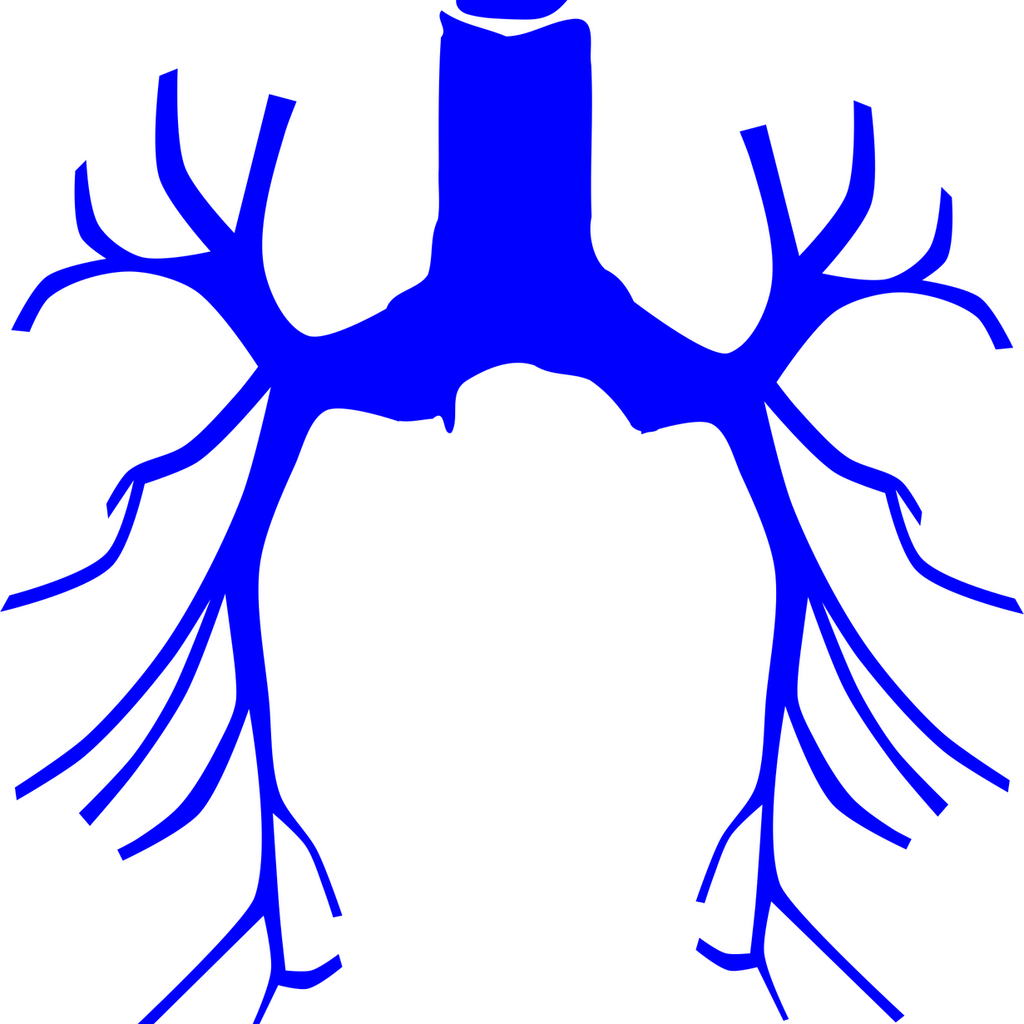
Explanation: Anatomical dead space is the volume of air in the conducting airways, such as the trachea and bronchi, where no gas exchange occurs.
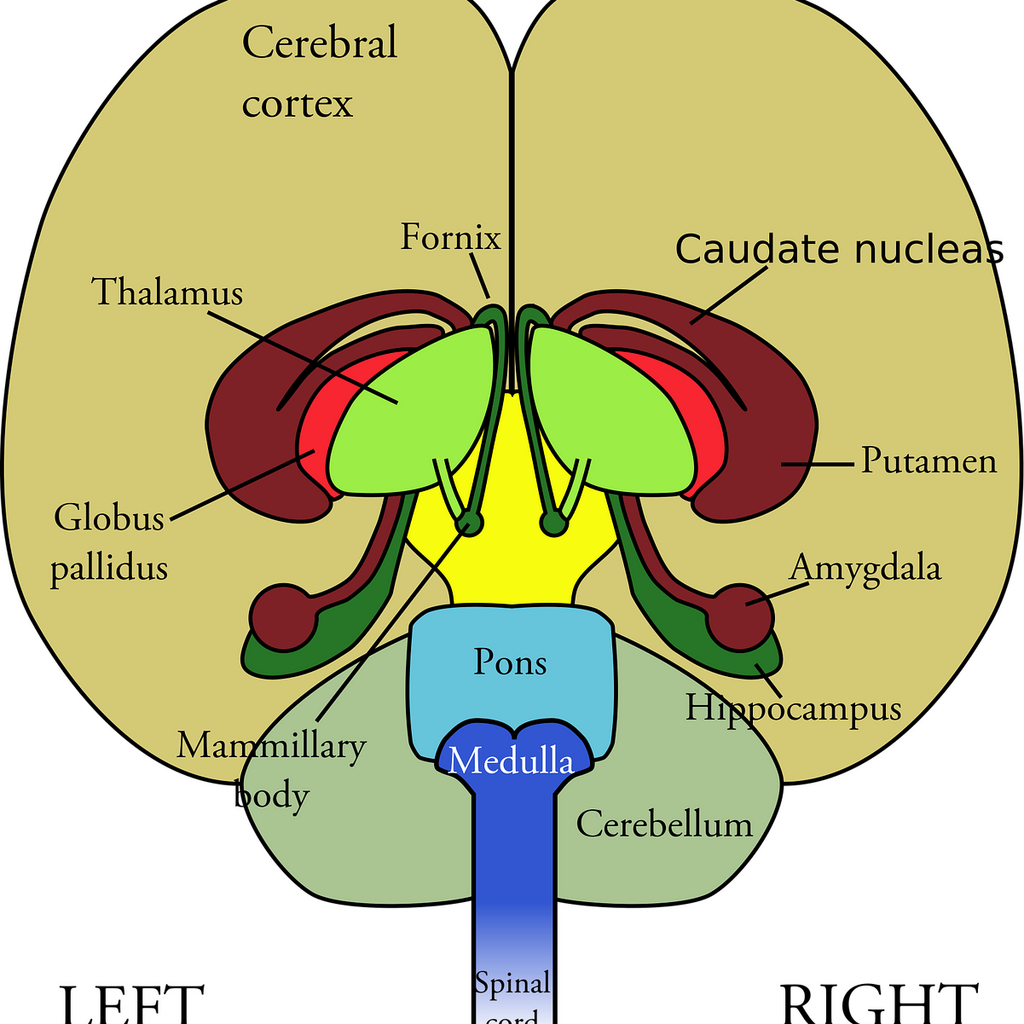
Explanation: Central chemoreceptors are located in the medullary region and respond mainly to changes in CSF pH caused by changes in CO2.
Explanation: The alveolar-capillary membrane is a thin barrier that allows oxygen and carbon dioxide to diffuse between alveolar air and pulmonary blood.
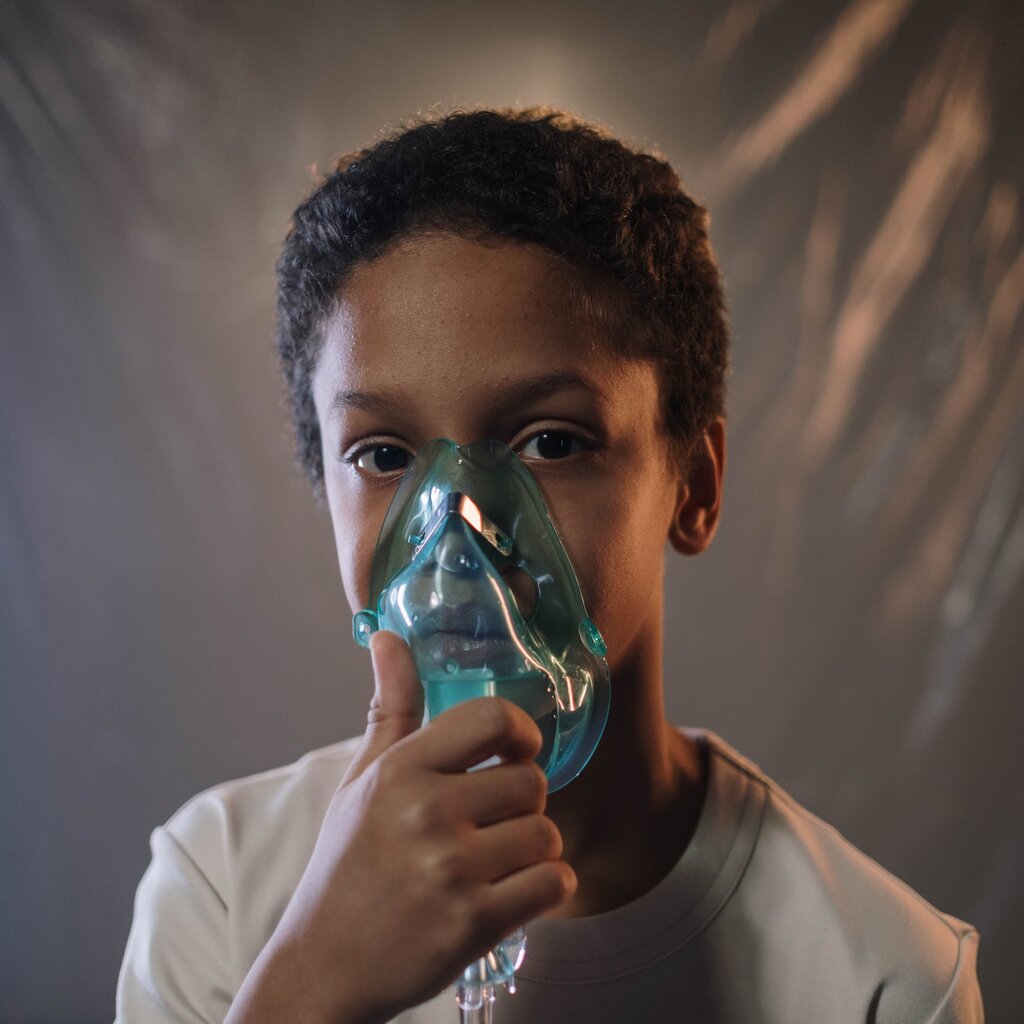
Explanation: Asthma causes reversible airway narrowing due to bronchoconstriction, inflammation, and increased mucus production.
Explanation: Peripheral chemoreceptors are located in the carotid and aortic bodies. They respond especially to a significant decrease in arterial oxygen pressure (PaO2).
Explanation: In healthy adults, FEV1/FVC is commonly around 0.75–0.80, although normal values vary with age and other factors.