
Odiseo: una travesía contra los diosesVersion en ligne
par Juan cruz

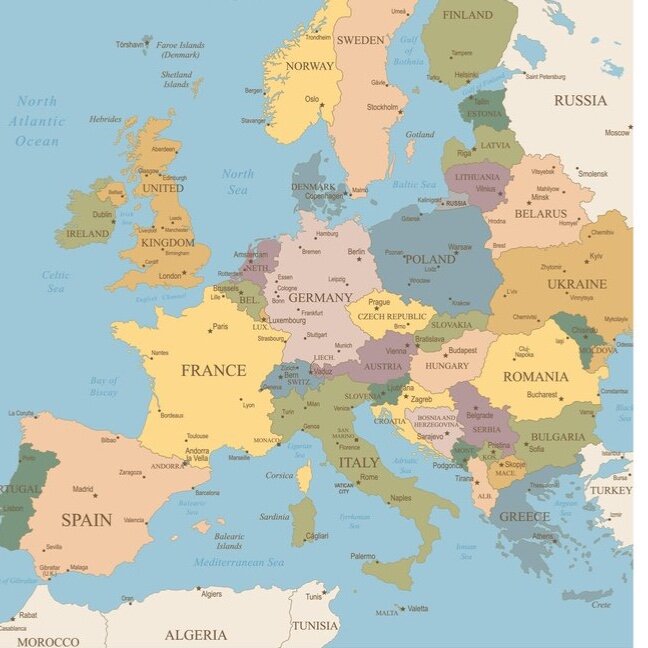
Explicación
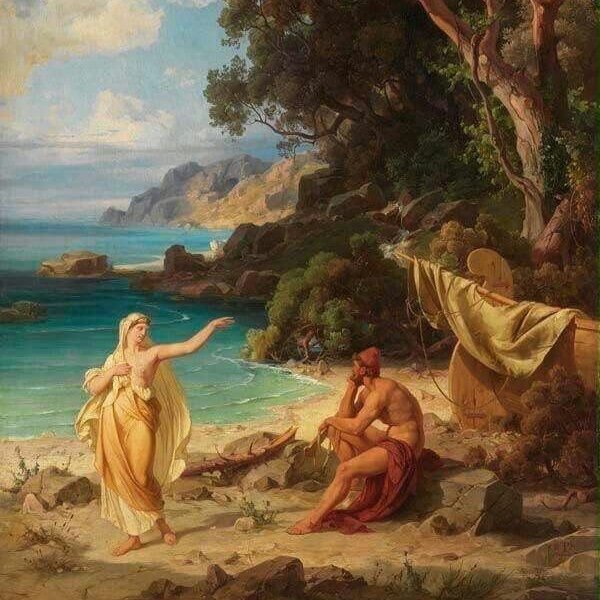
🇲🇹 Gozo, Malta — La isla de Calipso Español En el corazón del Mediterráneo te espera Gozo, la segunda isla del archipiélago de Malta (36°02′42″ N, 14°15′32″ E), un lugar donde la historia y la mitología se encuentran. Habitada desde el 5000 a.C., conserva tesoros como Ġgantija, templos neolíticos declarados Patrimonio de la Humanidad por la UNESCO. Por sus tierras pasaron pueblos de la Edad del Bronce, fenicios, cartagineses y romanos, quienes en el 218 a.C. la llamaron Gaulos, convirtiéndola en municipio con moneda propia. También fue escudo, granero y aduana del archipiélago. Aunque no tuvo colonización griega directa, mantuvo intercambios comerciales greco-fenicios que dejaron los nombres Melitē y Gaulos. Hoy podés recorrer La Ciudadela de Victoria y su Museo, pero hay un sitio que no podés dejar de conocer: la Cueva de Calipso, sobre la playa de Ramla l-Ħamra. Según una tradición que se remonta al siglo IV a.C., vinculada a Evémero y Calímaco, allí la ninfa retuvo a Odiseo durante siete años, hasta que Zeus envió a Hermes para liberarlo (Cantos I, V, VII y VIII de La Odisea). Aunque Homero nunca indicó su ubicación exacta y no existe certeza histórica, Gozo es el lugar donde la tradición sitúa Ogigia, donde Odiseo debió elegir entre la inmortalidad y volver a casa. Visitar esta isla es caminar entre vestigios milenarios y paisajes legendarios, y descubrir un rincón del Mediterráneo donde la aventura de Odiseo todavía parece cobrar vida.
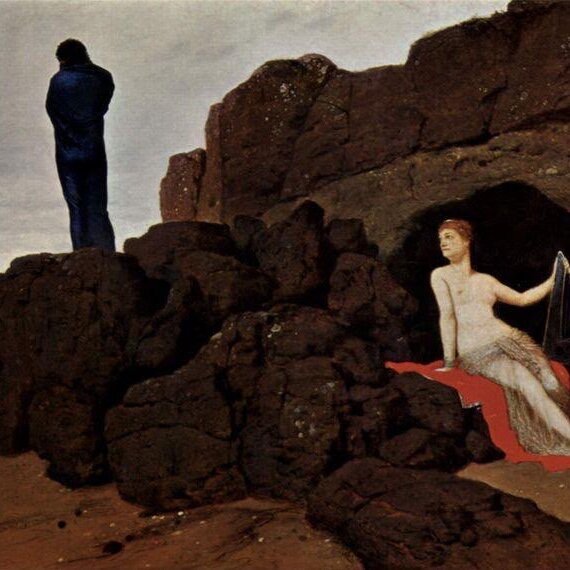
In the heart of the Mediterranean, Gozo awaits you – the second island of the Maltese archipelago (36°02′42″ N, 14°15′32″ E) – a place where history and mythology converge. Inhabited since 5000 BC, it preserves treasures such as Ġgantija, a series of Neolithic temples designated as a UNESCO World Heritage Site. Its lands were traversed by Bronze Age peoples, the Phoenicians, the Carthaginians and the Romans, who in 218 BC named it Gaulos, establishing it as a municipality with its own currency. It also served as the archipelago’s stronghold, granary and customs post. Although it was not directly colonised by the Greeks, it maintained Greco-Phoenician trade links that gave rise to the names Melitē and Gaulos. Today you can explore the Citadel of Victoria and its museum, but there is one place you simply must visit: Calypso’s Cave, on Ramla l-Ħamra beach. According to a tradition dating back to the 4th century BC, linked to Evemerus and Callimachus, it was there that the nymph held Odysseus captive for seven years, until Zeus sent Hermes to free him (Books I, V, VII and VIII of *The Odyssey*). Although Homer never specified its exact location and there is no historical certainty, Gozo is the place where tradition situates Ogygia, where Odysseus had to choose between immortality and returning home. Visiting this island means walking amongst ancient ruins and legendary landscapes, and discovering a corner of the Mediterranean where Odysseus’s adventure still seems to come to life.
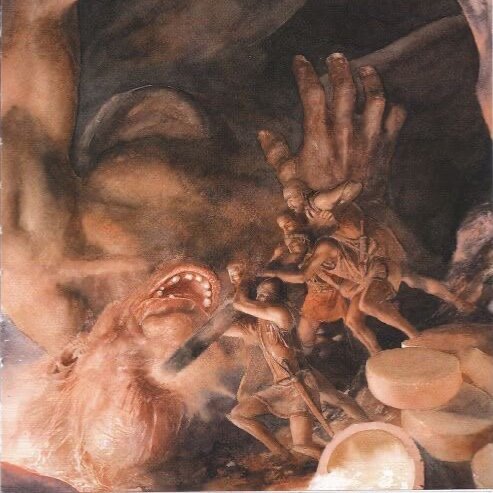
El territorio de los Cíclopes En la costa oriental de Sicilia, junto al mar Jónico (37.5615° N, 15.1575° E), se encuentra Aci Trezza, un pueblo pesquero donde la historia y la mitología parecen haberse unido para siempre. Habitado antiguamente por los sículos y marcado por la influencia griega y romana, conserva huellas de aquellas civilizaciones, como las termas de aguas azufradas de Akis. Entre sus atractivos se destacan la Riviera de los Cíclopes, los enormes Farallones volcánicos que emergen del mar, la Isla Lachea, con sus restos arqueológicos y pequeño museo, el Castillo Normando de Aci Castello y las Termas Romanas de Santa Venera al Pozzo. Sin embargo, su mayor encanto está en su vínculo con el Canto IX de La Odisea: según la tradición, estas gigantescas rocas fueron arrojadas por Polifemo, enfurecido tras ser cegado por Odiseo mientras intentaba escapar. Aunque no existen pruebas históricas de que el héroe haya estado allí, la cercanía del Etna y las impresionantes formaciones volcánicas mantienen viva esta leyenda. Visitar Aci Trezza es mucho más que admirar un paisaje: es detenerse frente al mar, contemplar aquellas rocas y dejar volar la imaginación hasta sentirse parte de la aventura de Odiseo. Porque hay lugares que se recorren con los ojos, pero otros, como este, se descubren a través de las historias que los habitan.

The Land of the Cyclopes On the eastern coast of Sicily, overlooking the Ionian Sea (37.5615° N, 15.1575° E), lies Aci Trezza, a fishing village where history and mythology seem to have become forever intertwined. Once inhabited by the Siculi and shaped by Greek and Roman influences, it retains traces of those civilisations, such as the sulphurous thermal baths of Akis. Among its attractions are the Riviera of the Cyclopes, the enormous volcanic cliffs rising from the sea; Lachea Island, with its archaeological remains and small museum; the Norman Castle of Aci Castello; and the Roman Baths of Santa Venera al Pozzo. However, its greatest charm lies in its connection to Book IX of *The Odyssey*: according to tradition, these gigantic rocks were hurled by Polyphemus, enraged after being blinded by Odysseus whilst attempting to escape. Although there is no historical evidence that the hero was ever there, the proximity of Mount Etna and the impressive volcanic formations keep this legend alive. Visiting Aci Trezza is about much more than simply admiring the landscape: it is about standing by the sea, gazing at those rocks and letting your imagination run wild until you feel as though you are part of Odysseus’s adventure. Because there are places you explore with your eyes, but others, like this one, are discovered through the stories that inhabit them.
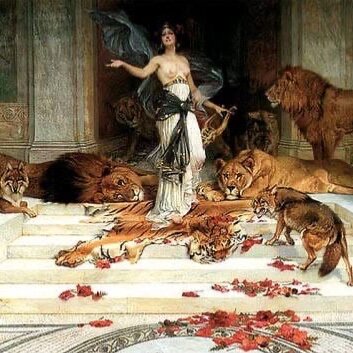
La hechicera Circe Entre el mar Tirreno y la costa occidental italiana (41°13′ N, 13°05′ E), el Monte Circeo invita a descubrir un destino donde los paisajes naturales esconden siglos de historia. Sus tierras fueron habitadas desde la Prehistoria por neandertales y, más tarde, por latinos, auruncos, volscos y romanos. Estos últimos establecieron la colonia de Circeii, con una acrópolis fortificada, santuarios, puertos y villas de descanso. En la actualidad, sus vestigios pueden conocerse en la Acrópolis de Circeii, la Villa de Domiciano, la Grotta Guattari y el Canale Romano. También vale la pena recorrer San Felice Circeo, un pueblo medieval de calles empedradas, antiguas construcciones y miradores hacia las Islas Pontinas. Pero este paisaje tiene un significado especial para quienes siguen la historia de Odiseo: la tradición lo relaciona con la isla de Eea, donde vivía la hechicera Circe, quien transformó en animales a varios de sus compañeros durante su viaje de regreso a Ítaca. Aunque esta ubicación no es históricamente comprobable, su vínculo con La Odisea permanece vivo. Acercarse al Monte Circeo es darle otro sentido a la lectura de Homero: es contemplar el mismo horizonte que inspiró una leyenda y descubrir cómo un paisaje real puede convertirse en parte de un mundo extraordinario.
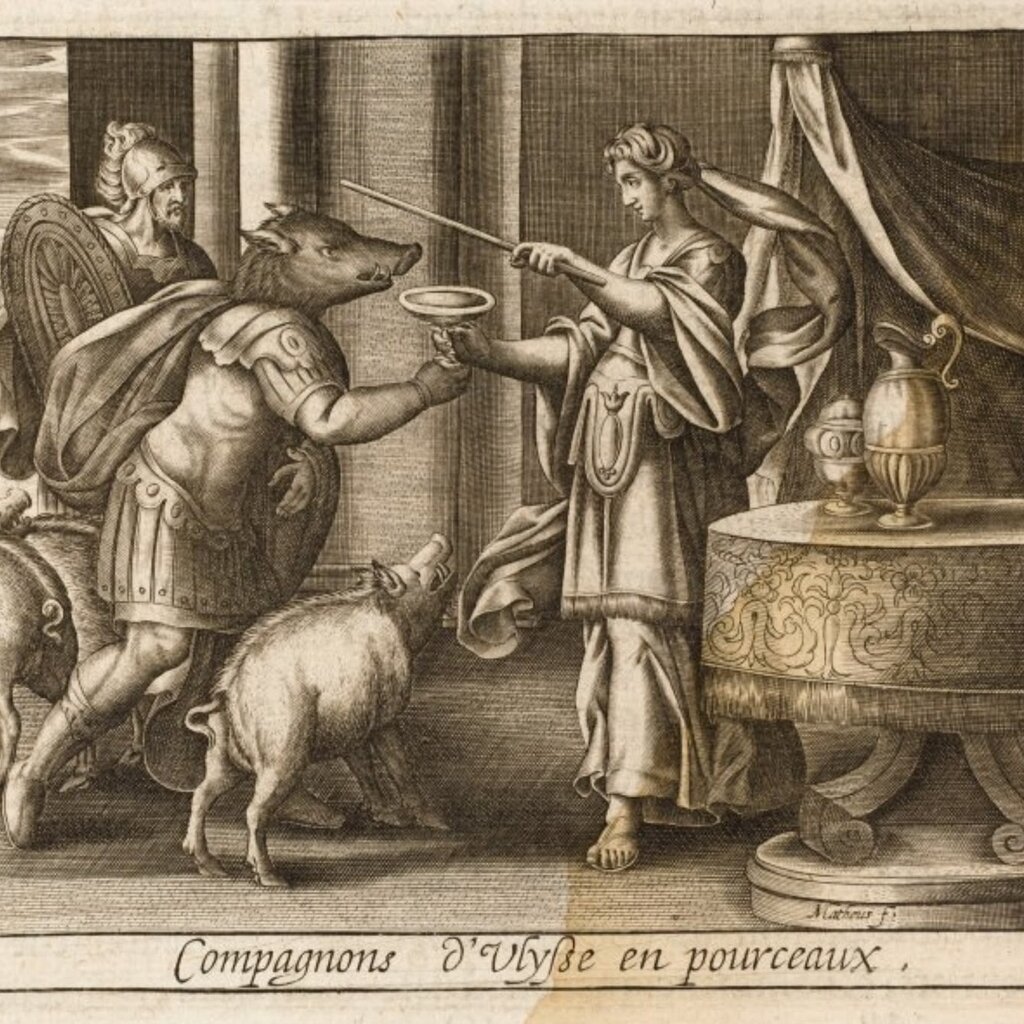
The Sorceress Circe Situated between the Tyrrhenian Sea and the western Italian coast (41°13′ N, 13°05′ E), Monte Circeo invites you to discover a destination where the natural landscapes conceal centuries of history. Its lands have been inhabited since prehistoric times by Neanderthals and, later, by Latins, Aurunci, Volsci and Romans. The Romans established the colony of Circeii, complete with a fortified acropolis, sanctuaries, harbours and holiday villas. Today, the remains of these can be seen at the Acropolis of Circeii, the Villa of Domitian, the Grotta Guattari and the Canale Romano. It is also worth visiting San Felice Circeo, a medieval village with cobbled streets, ancient buildings and viewpoints overlooking the Pontine Islands. But this landscape holds special significance for those familiar with the story of Odysseus: tradition links it to the island of Eea, home to the sorceress Circe, who transformed several of his companions into animals during his journey back to Ithaca. Although this location cannot be historically verified, its link to *The Odyssey* remains alive. To visit Monte Circeo is to gain a new perspective on Homer’s work: it is to gaze upon the very horizon that inspired a legend and to discover how a real landscape can become part of an extraordinary world.
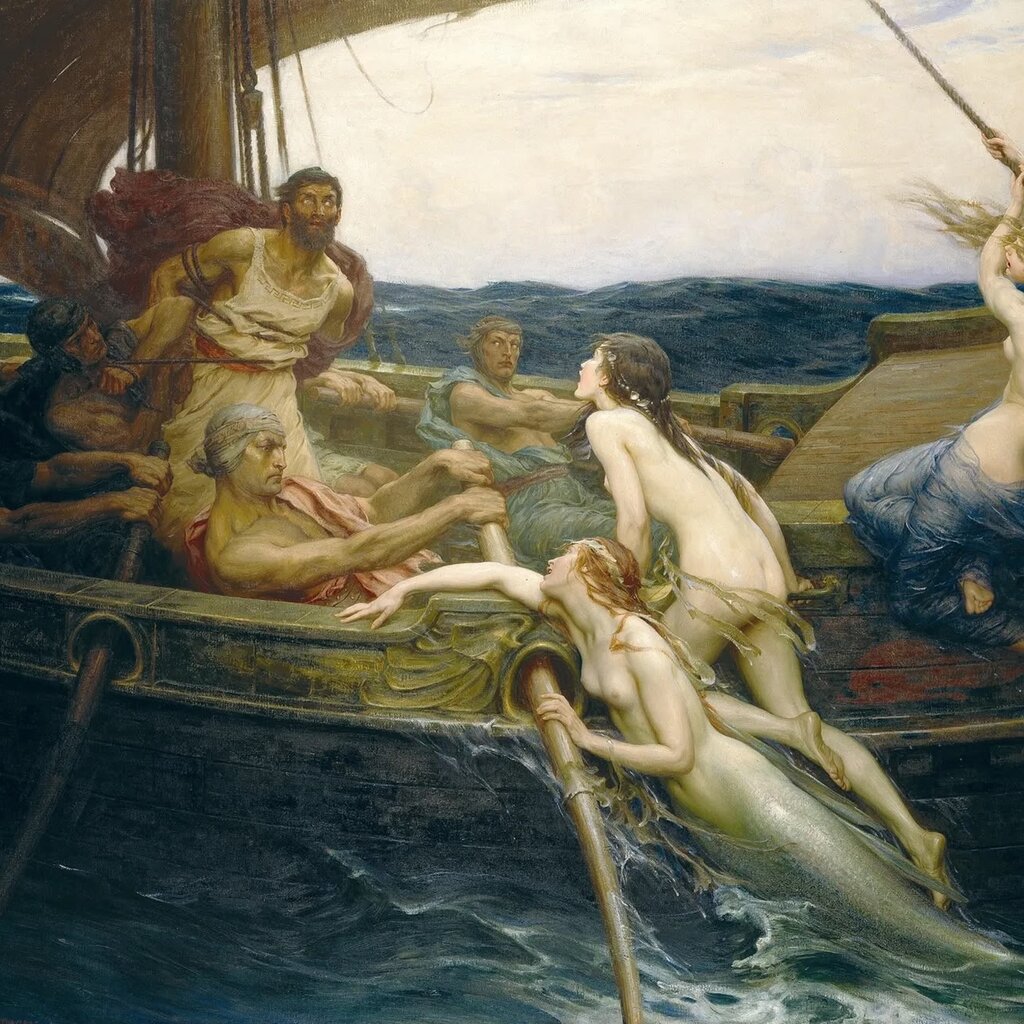
Las islas de las Sirenas Frente a la hermosa Costa Amalfitana, entre Positano y Capri, emergen del mar Tirreno las islas de Li Galli, también llamadas Le Sirenuse (40°34′52″ N, 14°25′56″ E). Su historia se remonta a las antiguas civilizaciones griegas y romanas. La isla más grande, Gallo Lungo, estuvo habitada durante la época romana y albergó una villa, de la que se conservan vestigios junto con anclas y ánforas. Actualmente, estas islas privadas pueden admirarse desde la playa Marina Grande de Positano o mediante excursiones en barco. Pero su verdadero encanto está en la leyenda que las une a La Odisea: según la tradición, serían el hogar de las Sirenas que atraían a los navegantes con sus cantos. En el Canto XII, Odiseo ordenó a sus compañeros taparse los oídos con cera y pidió que lo ataran al mástil para escucharlas sin caer en su encanto. Aunque no existen pruebas históricas de que haya estado allí, su paisaje mantiene viva esta identificación mitológica. Contemplar Li Galli es dejar volar la imaginación hacia uno de los episodios más cautivadores de Homero y descubrir un rincón del Mediterráneo donde la belleza y la leyenda parecen confundirse.
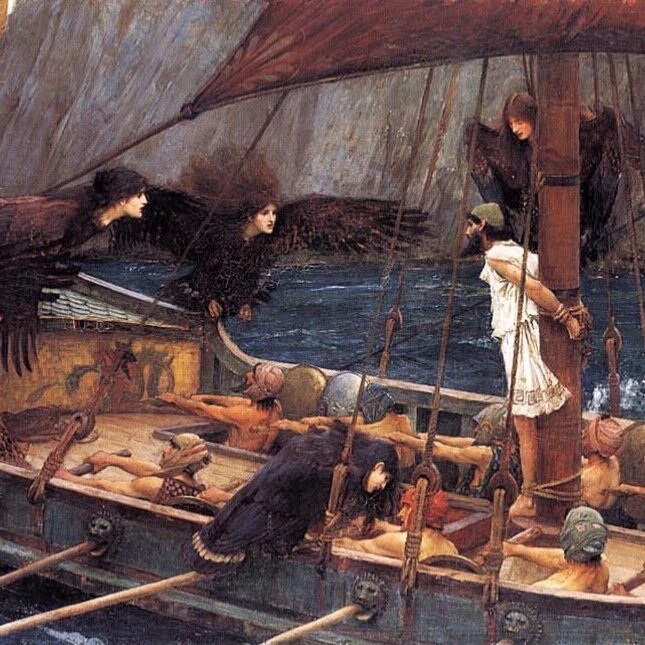
The Islands of the Sirens Off the beautiful Amalfi Coast, between Positano and Capri, the Li Galli islands—also known as Le Sirenuse (40°34′52″ N, 14°25′56″ E)—rise from the Tyrrhenian Sea. Their history dates back to the ancient Greek and Roman civilisations. The largest island, Gallo Lungo, was inhabited during the Roman period and was home to a villa, the remains of which can still be seen alongside anchors and amphorae. Today, these private islands can be admired from Positano’s Marina Grande beach or via boat trips. But their true charm lies in the legend linking them to *The Odyssey*: according to tradition, they were home to the Sirens who lured sailors with their songs. In Canto XII, Odysseus ordered his companions to plug their ears with wax and asked to be tied to the mast so that he could hear them without succumbing to their spell. Although there is no historical evidence that he was ever there, the landscape keeps this mythological association alive. Gazing upon Li Galli is to let your imagination wander to one of Homer’s most captivating episodes and discover a corner of the Mediterranean where beauty and legend seem to merge.
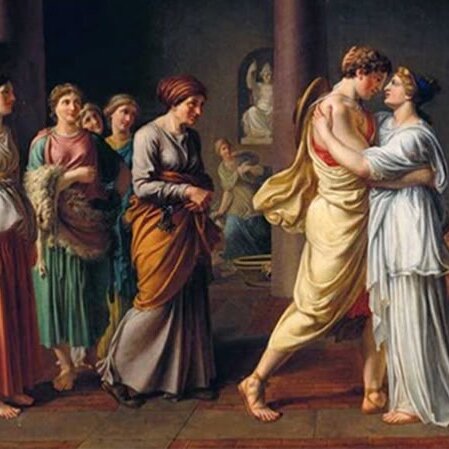
El destino de todo viajero En el mar Jónico, al oeste de Grecia continental (38°22′ N, 20°43′ E), se encuentra Ítaca, una isla donde la historia y la literatura se unen alrededor de una misma idea: regresar a casa. Habitada desde la Prehistoria y vinculada al mundo micénico durante la Edad del Bronce, fue importante por su ubicación en las antiguas rutas marítimas. Entre sus huellas del pasado se encuentran los asentamientos de Aetos y Pilikata. También podés visitar el Museo Arqueológico de Ítaca, en Vathy, su capital, donde se conservan cerámicas, vasijas, monedas y otros objetos antiguos. Pero ningún recorrido por esta isla está completo sin conocer su vínculo con La Odisea: Ítaca es la patria de Odiseo y el destino que persiguió durante todo su viaje después de la guerra de Troya. Allí lo esperaban su hijo Telémaco y su esposa Penélope, y allí recuperaría su lugar como rey tras enfrentarse a los pretendientes. Aunque no existen pruebas concluyentes de que Odiseo haya existido o de que los acontecimientos ocurrieran realmente, la tradición identifica esta isla con su hogar. Visitar Ítaca es mucho más que llegar a un destino: es comprender que, después de tantas aventuras, el verdadero sentido del viaje estaba en volver. Quizás por eso esta isla no solo invita a conocerla, sino también a encontrar en ella un pedacito de nuestro propio hogar.
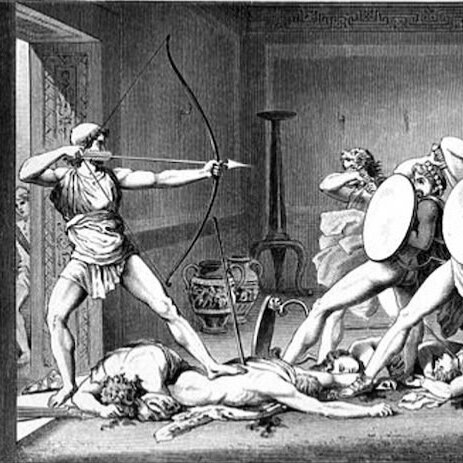
Every traveller’s destination In the Ionian Sea, to the west of mainland Greece (38°22′ N, 20°43′ E), lies Ithaca, an island where history and literature converge around a single theme: returning home. Inhabited since prehistoric times and linked to the Mycenaean world during the Bronze Age, it was significant due to its location on ancient maritime routes. Among its traces of the past are the settlements of Aetos and Pilikata. You can also visit the Archaeological Museum of Ithaca, in Vathy, its capital, where pottery, vessels, coins and other ancient artefacts are preserved. But no tour of this island is complete without exploring its connection to *The Odyssey*: Ithaca is Odysseus’s homeland and the destination he sought throughout his journey following the Trojan War. There, his son Telemachus and his wife Penelope awaited him, and there he would reclaim his place as king after confronting the suitors. Although there is no conclusive evidence that Odysseus ever existed or that these events actually took place, tradition identifies this island as his home. Visiting Ithaca is much more than simply arriving at a destination: it is realising that, after so many adventures, the true meaning of the journey lay in returning. Perhaps that is why this island not only invites us to explore it, but also to find within it a little piece of our own home.